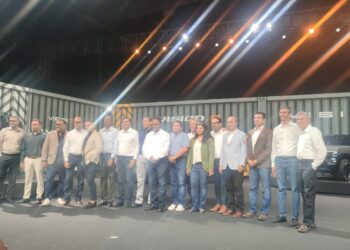






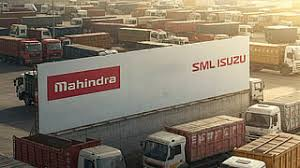








MUMBAI, August 2, 2025: Mahindra & Mahindra’s acquisition of a ₹555 crore (58.96%) controlling stake in SML Isuzu Ltd. from Japan’s Sumitomo Corporation and Isuzu Motors brings significant benefits, including Japanese engineering expertise, robust supply chains, and a ready platform to accelerate its clean-energy commercial vehicle ambitions.


From Stake to Strategy: Mahindra’s Big CV Play
The deal, which was completed through share-purchase agreements in April, also triggers a mandatory open offer for up to 26% additional equity from public shareholders, as required by SEBI takeover rules. This demonstrates Mahindra’s determination to fully incorporate SML Isuzu into its commercial vehicle strategy.
This acquisition, however, is more than just a share purchase. By acquiring SML Isuzu and rebranding it as SML Mahindra Limited, Mahindra gains immediate access to proven Japanese diesel and alternative-fuel drivetrain technologies, a strong supply chain via Sumitomo’s vendor networks, and a well-established bus platform with a 16% market share.
These advantages enable Mahindra to effectively transition into the rapidly growing clean-energy commercial vehicle segment, improving its readiness for Bharat Stage VII emission standards while expanding its presence in electric buses and medium-duty trucks.

New bosses, bigger ambitions.
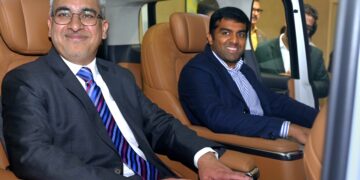
Leadership changes, including Vinod Sahay as Executive Chairman and Dr. Venkat Srinivas as Executive Director and CEO, demonstrate a strong desire to turn these advantages into tangible growth. The ₹555 crore transaction nearly doubles Mahindra’s market share in the over-3.5-tonne commercial vehicle segment from about 3% to nearly 6%, allowing the company to challenge established competitors in the evolving electrification landscape.
The board has also approved the company’s name change to SML Mahindra Limited, which is subject to approvals from the Registrar of Companies, the Ministry of Corporate Affairs, shareholders, and other authorities.
Japanese DNA meets Indian Ambition.
The benefits for Mahindra go far beyond market share. Isuzu’s legacy at SML includes globally tested diesel and alternative-fuel drivetrains that can meet India’s upcoming Bharat Stage VII standards, accelerating Mahindra’s electrification efforts in buses and medium-duty trucks. Sumitomo’s vendor networks and procurement expertise provide cost-competitive access to critical components such as batteries, drivetrains, and power electronics, which are required for scaling its electric vehicle (EV) programs.
SML’s strong position in intermediate and light buses, with a 16% market share, provides Mahindra with a ready-made platform for electrifying public transport fleets, in line with FAME II and various state green mobility initiatives.

Plugging Into The Born Electric Roadmap
This acquisition is consistent with Mahindra’s overall Born Electric strategy, which includes multibillion-rupee investments in EV platforms, a battery partnership with Volkswagen, and an expanding EV manufacturing base.
By combining its domestic EV capabilities with Japanese engineering and supply chain discipline, Mahindra is positioning itself to compete more effectively in the decarbonising commercial vehicle market.
According to a leading industry analyst, “This acquisition significantly strengthens Mahindra’s position in the intermediate and heavy commercial vehicle space.” It enables Mahindra to achieve synergies in product development, distribution, and clean-energy solutions for commercial vehicles.
The New CV Battlefield

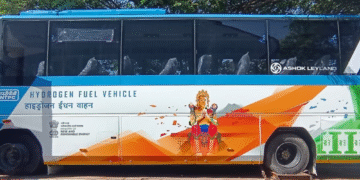
This strategic move comes as Tata Motors and Ashok Leyland increase their focus on electric buses, hydrogen-powered trucks, and modular EV platforms, paving the way for intense competition in the green commercial vehicle market.
By integrating SML’s product line and leveraging Japanese technical know-how, Mahindra gains a platform to excel in electrification, particularly in underserved intermediate bus and truck categories. If executed correctly, this acquisition could be a watershed moment for Mahindra, transforming it from a challenger to a major player in India’s commercial vehicle market, which is poised for a significant shift driven by decarbonisation and infrastructure growth.